Well Pump Maintenance Ensures a Consistent Water Flow System

February 2, 2026
Ensuring the functionality, longevity, and reliability of a well water system in North Florida often depends on one essential service: well pump maintenance in Palatka, FL. Moore's Well Drilling, Inc. knows that the region’s fluctuating groundwater levels, weather, and mineral content can put unique stress on water pumps. Whether you live on the banks of the St. Johns River or own acreage in rural Putnam County, regular attention to your water source helps you avoid unexpected disruptions and expensive repairs. In this article, we will explore how proactive well pump care prevents breakdowns, how it increases system lifespan, and why professional intervention is vital for every property owner who relies on well water.

Understanding Your Well Pump and Its Importance

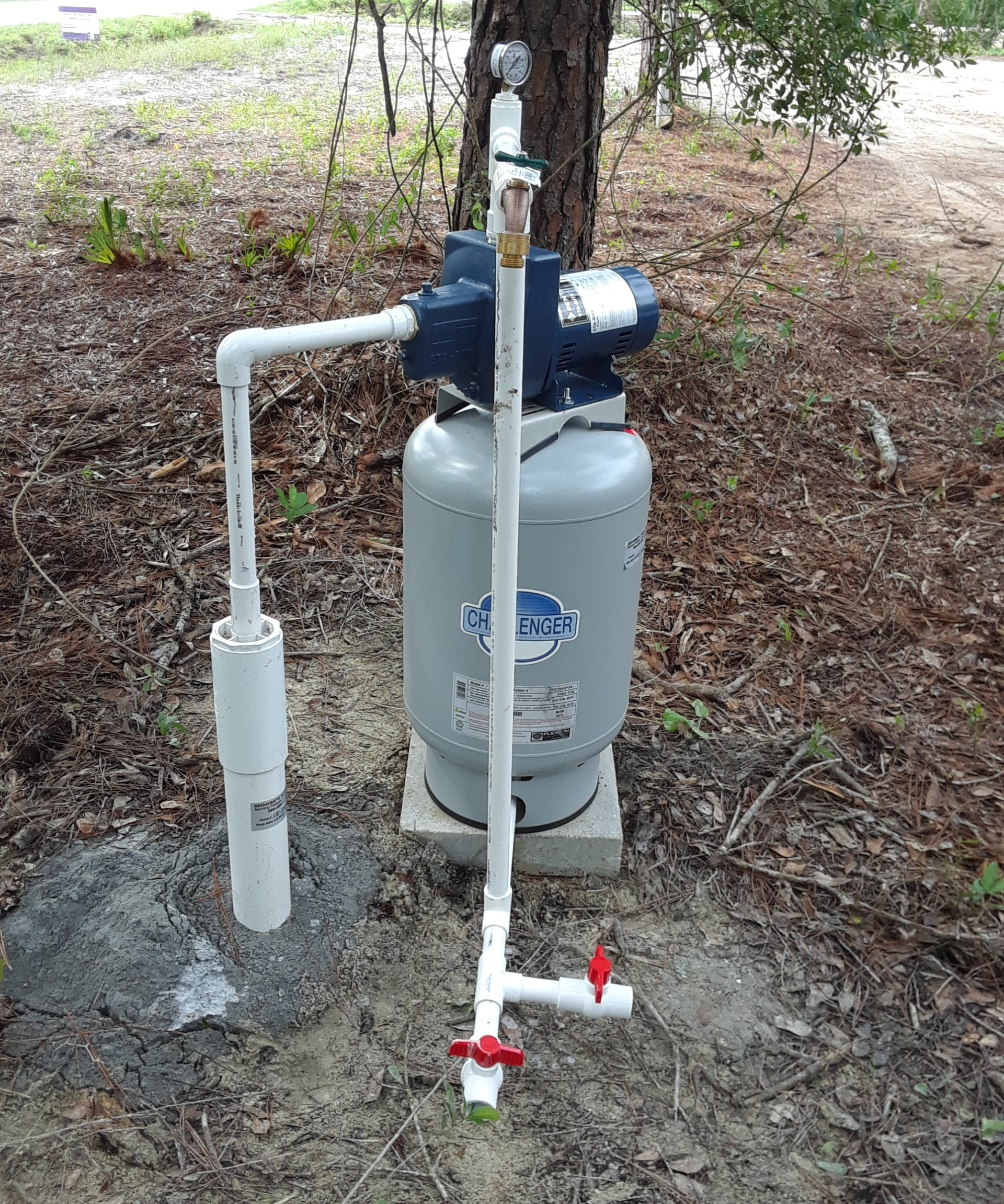
Every private water system relies on a well pump to draw groundwater efficiently to the surface, delivering clean and safe water to your home or commercial space. When operating at peak performance, a well pump provides steady water pressure for everything from showers and laundry to irrigation systems and livestock watering.
Neglecting regular well pump care brings the risk of inconsistent water pressure, complete system failure, or even water contamination. Because well systems are integral to daily life in rural areas, it is vital to make well pump service a routine investment. Moore's Well Drilling, Inc. has the expertise to assess pump health, address common issues, and perform routine checks that keep your system running smoothly year-round.
Let our dedicated team at Moore’s Well Drilling, Inc. ensure your water system’s reliability.

How Well Pump Maintenance Prevents Breakdowns

When it comes to home comfort and convenience, few things are as disruptive as losing water access unexpectedly. Proactive well pump maintenance helps detect and address minor concerns long before they become emergencies. Routine inspections by a professional often include examining the pump motor, checking the pressure switch, and evaluating wiring for signs of wear or corrosion.
Sudden well pump failures are often caused by preventable issues like clogged filters, stuck check valves, and failing pressure switches. Moore's Well Drilling, Inc. uses specialized tools to measure electrical currents, test system pressure, and inspect for early warning signs of pump fatigue. Early diagnosis not only prevents breakdowns but can also reduce costly emergency service calls and protect other elements of your plumbing system from damage.

Extending System Lifespan With Proper Care

Replacing a well pump is a significant investment—one that can often be postponed for years through proper maintenance. Regularly scheduled well pump servicing can add years to your equipment’s lifespan by ensuring all moving parts are adequately lubricated, intake screens are free from debris, and minor leaks are sealed before they escalate.
Over time, underground pumps are subject to both mechanical and environmental stress. Minerals, sand, and silt present in North Florida’s aquifer can gradually erode internal components and restrict water flow. Professional well pump maintenance includes cleaning sediment buildup, calibrating pressure tanks, and adjusting to maintain system balance. In Palatka, FL, Moore's Well Drilling, Inc. has worked with a variety of well designs, which gives them a knowledgeable approach for maximizing performance, regardless of your well’s age or depth.

Ensuring Safe and Reliable Water Quality

Beyond keeping your pump functional, routine maintenance is critical for your family’s health. A pump that loses prime, experiences a drop in pressure, or begins to short-cycle may inadvertently allow contaminants into your home’s water supply. Common signs like air sputtering from faucets or unusual noises should never be ignored. Trained technicians from Moore's Well Drilling, Inc. can test for water clarity, inspect for signs of bacterial contamination, and suggest additional steps for purifying your water if issues are detected.
Additionally, regular well pump maintenance ensures compliance with local regulations and avoids hefty fines for water quality violations. Staying on top of scheduled testing and maintenance also makes it easier to sell or refinance property, giving buyers confidence in the long-term reliability of the water system.

Common Warning Signs That Indicate Maintenance Is Needed

Understanding when your well pump requires maintenance can save money and inconvenience. Some warning indicators that Moore's Well Drilling, Inc., recommends watching for include:
• Inconsistent Water Pressure: Fluctuations may indicate failing pressure tanks or worn-out pump parts.
• Unusual Noises: Grinding, clattering, or rapid cycling often points to debris in the pump or electrical faults.
• Short-Cycling: When the pump turns on and off rapidly, it often signals failing check valves or pressure switches.
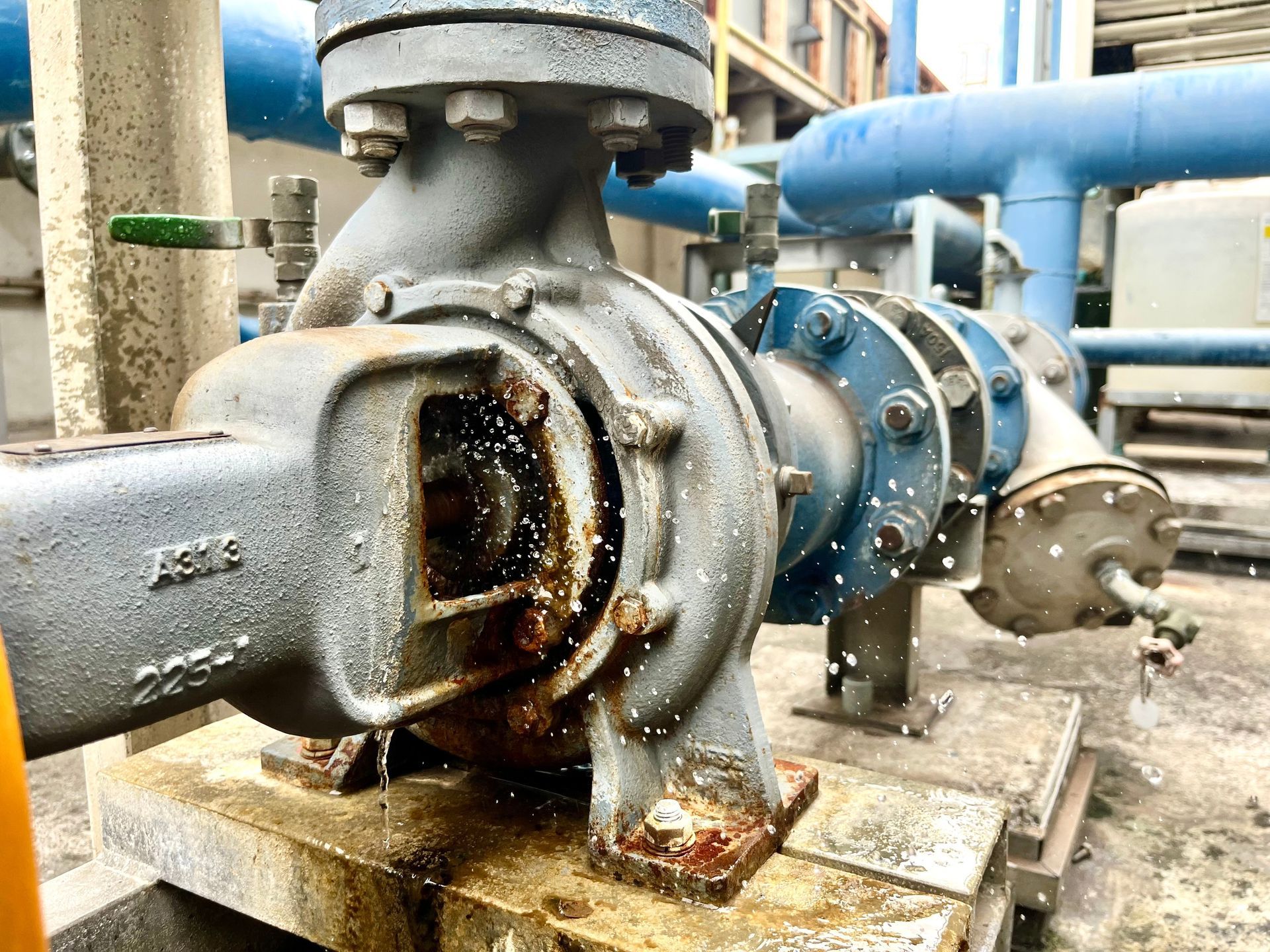
• Cloudy or Dirty Water: This points to a failing filtration system or sediment entering the pump intake.
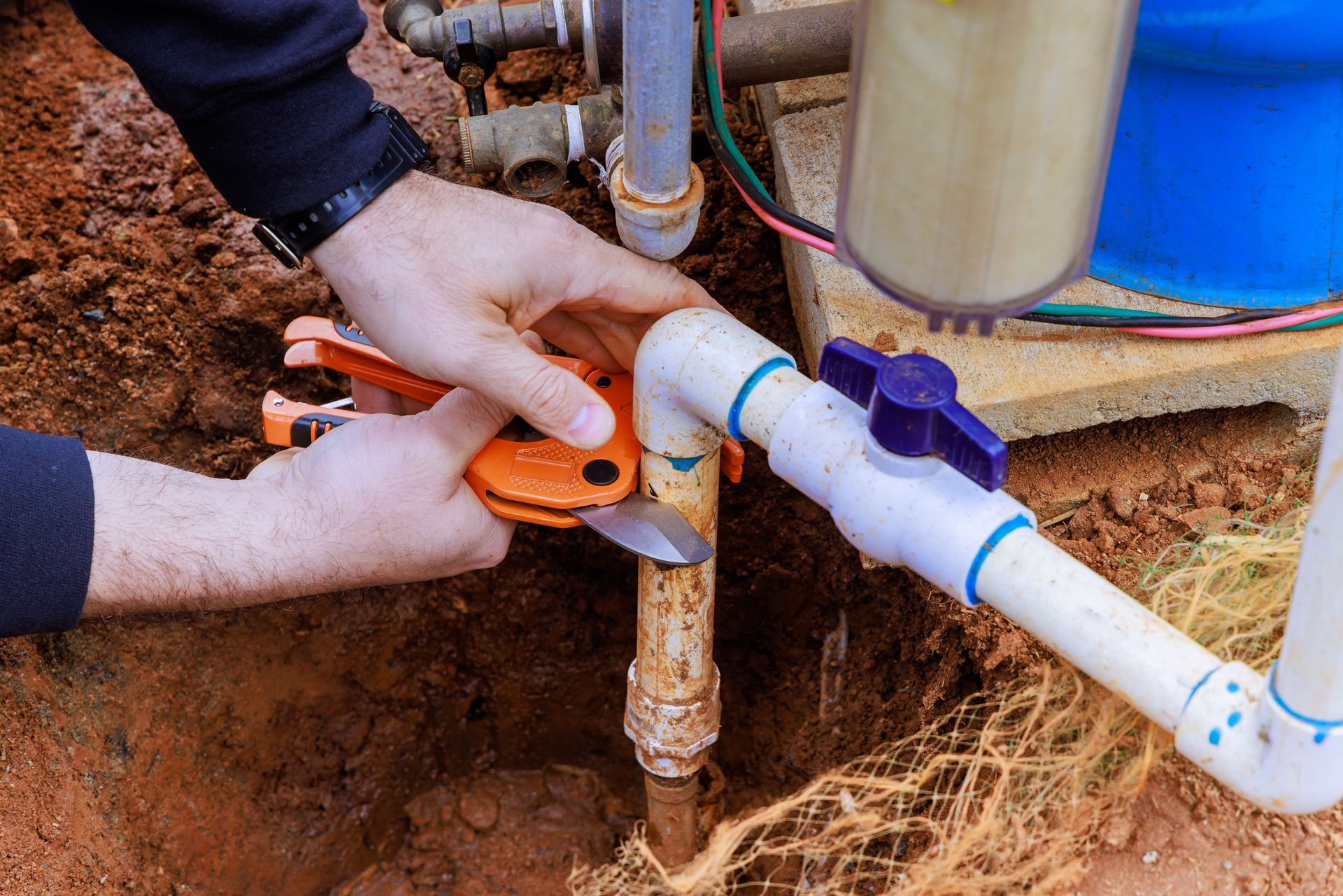
By addressing these signs promptly and scheduling routine well pump maintenance in Palatka, FL, long-term damage can often be avoided, restoring reliability to your water system.
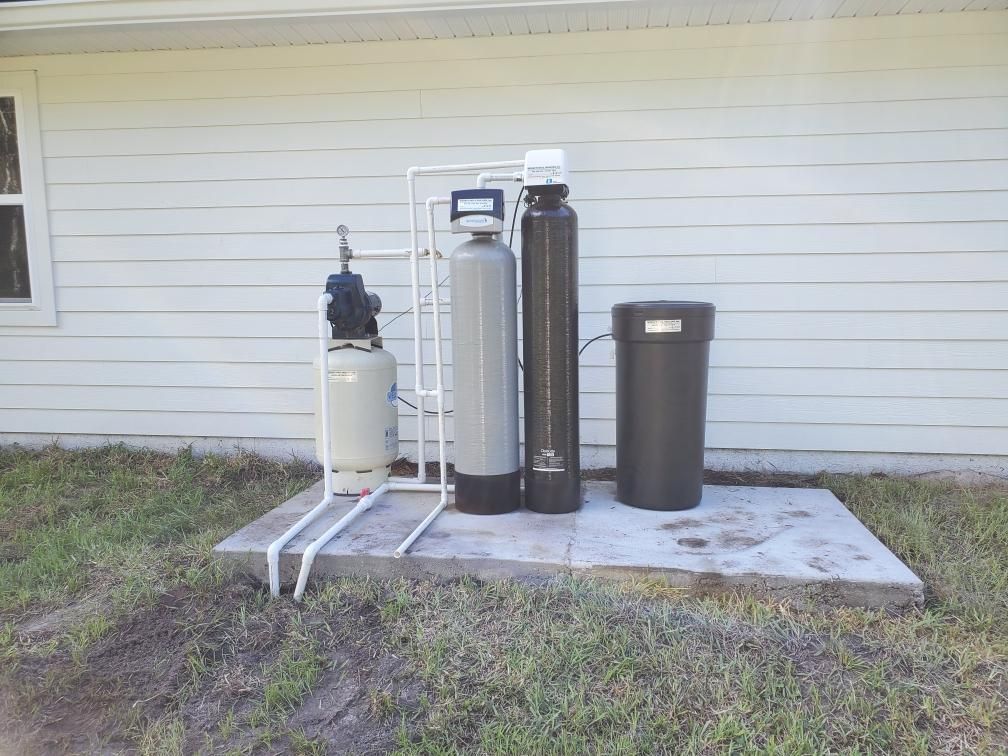
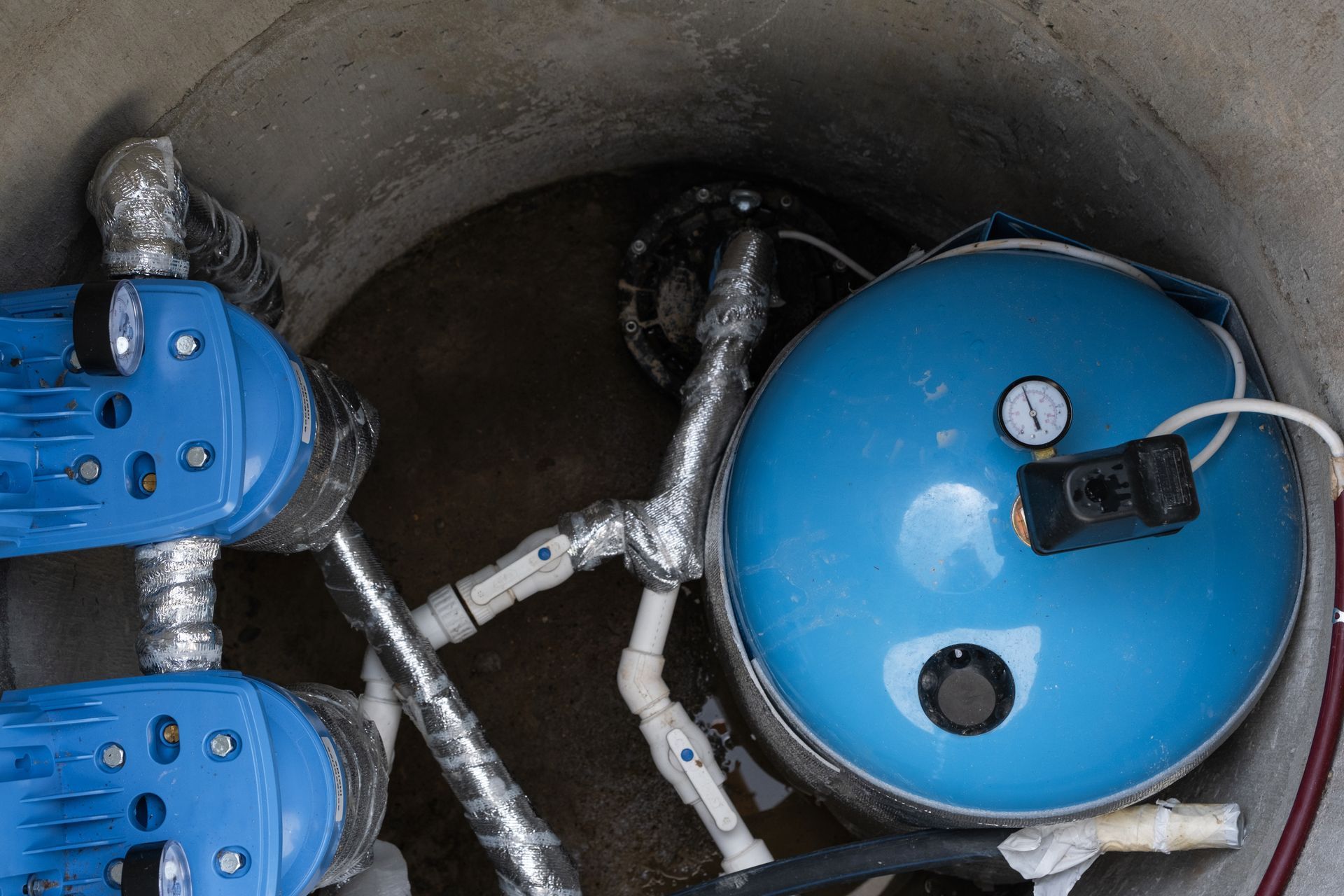
A water supply well pump maintenance for a private home.

The Role of Professional Diagnosis and Repair

While some routine well pump checks, like monitoring for strange noises or watching pressure gauges, can be performed by homeowners, most maintenance tasks require professional tools and expertise. Well pumps operate on high-voltage electricity and are often located deep underground, making DIY repairs risky.
Moore's Well Drilling, Inc. technicians are equipped to diagnose issues using advanced meters, cameras, and controls. They quickly pinpoint sources of trouble and perform repairs or replacements with minimal disruption to your home or business. Preventive services, such as motor lubrication, wire integrity checks, and thorough system flushes, are essential parts of a professional well pump maintenance program.

Scheduling Routine Maintenance for Peace of Mind

The frequency of maintenance depends on several factors: system age, frequency of use, local water conditions, and any history of past issues. Moore's Well Drilling, Inc., recommends at least an annual inspection for most private well owners in the Palatka, FL, area. For larger systems or those with heavy usage, more frequent checks may be beneficial.
Having a professionally maintained well pump means more than just uninterrupted convenience; it offers peace of mind that your family or property is protected from sudden water disruptions and costly repairs. Setting a schedule ensures that no aspect of your water system is overlooked during its lifetime.

Partnering With Local Experts for Lasting Results

When it comes to well pump maintenance in Palatka, FL, there’s no substitute for experience. Moore's Well Drilling, Inc. has been a trusted name in North Florida for generations, providing top-tier expertise and reliable customer service for every well pump need. A proactive, community-focused approach ensures that every job is tailored to the unique needs of local groundwater systems and property layouts.

Contact Us for Maintenance Today!

Dependable water access is not something to leave to chance. Protect your investment and extend the life of your well with expert well pump maintenance in Palatka, FL, from Moore's Well Drilling, Inc. Avoid last-minute emergencies, improve your water quality, and enjoy complete peace of mind by scheduling your next inspection today.
Call Moore's Well Drilling, Inc. at (386) 328-1448 to learn more or to set up a maintenance appointment with a trusted local expert. Your water system—and your property—deserve the best.
By Tabatha Moore Westberry February 26, 2025
The body content of your post goes here. To edit this text, click on it and delete this default text and start typing your own or paste your own from a different source.
By Katie Moore July 10, 2024
Have you ever been in a conversation, without really understanding what they meant, because of the “jargon”. It happens in many businesses, but as a homeowner, you need to know what folks are saying about your well, given that it is a critical and daily-use system for your family. We educate and protect our Members against sudden well failures and being without water, but if you’re not familiar with the lingo, we offer a short tutorial of terms Basic Terms Ground water – water located below grade (and frost line) resulting from transmissivity of water through the soil, transported by permeable soil and aquifers Well Reserves – amount of water stored in the well – calculated as 1.5 x [well depth – static water level]) for 6” casing Static water level – number of feet below grade level to which water comes to rest, when well is not in use Well Flow – amount of water extracted based on demand Well Yield – amount of water going in to the well (re-charge) at given levels of usage (expressed as gpm) Well Type – Can be Drilled/Bored, Hand Dug, Stick, or Driven. Anything other than a drilled/bored well is older less reliable technology, and should be avoided. New wells will always be drilled to an average depth of 200-300 feet depending of the origin Well Permit – most states require only licensed contractors (Master Well Drillers) to drill new wells, and a permit is issued to such licensees. They are required to report back on Completion to provide basic information, since placement and drilling means have regulatory constraints (e.g., as to their location in relation to house, roads, septic areas, etc.). GPM – gallons per minute Depth – number of feet from grade to bottom of well Rock Well – this is a well drilled through initially through layers of soil until the well hole reaches solid bedrock. This well will be fed by water bearing aquifers, which are essentially gaps or cracks in the consolidated bedrock, that supply water to the well via gravity and natural water pressure (via its weight) Alluvial Well – also know as a sand well, this is a water bearing hole drilled initially through layers of soil, and ultimately into softer, frequently unconsolidated layers of hydrogeology. These wells are typically found in coastal areas and near larger bodies of water, where bedrock is found much deeper underground. Water seeps more generally through porous terrain, but must be screened to eliminate/minimize particulates in the water. Drawdown – the level below grade to which the water in the well naturally recedes when the well is in use. Well Parts & Components Well System – a set of natural, mechanical, electrical and plumbing components which collect water in the well hole and deliver it to the house at a set pressure. It begins with the well boring (hole) and ends at the Pressure Tank. Well Casing – this is the steel or PVC material that you can see sticking out of the ground at the top of the well boring/hole, which provides access to service the well, and seals it from surface contaminants via a well cap. Jet pump – an above ground electrical pump used to draw (“sip”) water from a shallow(er) well as a result of a vacuum created, which is usually located close to the pressure tank. Submersible Pump – an electrical pump lowered into the well which pushes water to the surface and through lateral pipes to the house using impeller to propel the water to the house. Aquifer – notably, one of the most mysterious components of a (rock) well; these are fractures in the hydrogeological rock formations, allowing water to travel for miles from surface water sources to your well. Well Completion Report – a detailed report prepared by the driller upon completion of the drilling that provides information regarding the depth, location, and details of the initial production of the well. Pitless adapte r – this is the connection that the pipe down to the well pump (sitting hundreds of feet below ground) makes with the lateral pipes bring water from the well to the house. It is installed to be water-sealed, but must be used to “pull the pump” – remove the pump for replacement. Pressure Tank – this is the large® tank typically outside of the well (can be in basement, crawlspace or well house) that contains the well water and delivers that water to the internal plumbing system. This device regulates the function of the pump in delivering water to the home. Control Box – as the well system uses electricity to power the pump, the control box creates the interface between the well system and the house’s overall electrical system. Largely considered optional until several decades ago, this part is not found on many older systems, and should to be considered a concern. Pressure Switch – this is the “on/off” switch for the pump, triggered by the water pressure being held by the Pressure Tank. AS the pressure declines from water discharge to the house, the tank calls for water, and the pressure switch calls for water by turning on the pump. When adequate pressure is sustained, the tank turns off the pump via the pressure switch. This is why performance of the tank is critical. Pressure Gauge – this is a diagnostic device (typically a round dial attached to the water line near the pressure tank) that measures the pressure of the water at the tank in PSI (pounds per square inch) can be observed to move when water is being discharged. As the pump delivers water, the gauge increases; when water is discharged, the gauge decreases in terms of PSI. Advanced Terms Supplemental Storage System – a series of electronic, plumbing and storage components (PVC) used to store additional water outside of the well for “Peak Water Usage” periods. Peak Usage Periods – times when the flow exceeds the yield, thereby Drawing Down the water level in the well, and potentially exhausting water supply in “Reserves” Hydrofrac – process that attempt to rehabilitate the well and increase yield by injecting high pressure water, which cleans out and creates additional fractures in the rock well. Cycle Time – a test of the communication between the Pressure Tank and the Well Pump, and functionality of all components in between; it is measured in seconds between when the pump turns on (at low pressure), fills the tank, and then discharges all water (the “cycle”). Constant Pressure Systems (CPS) – submersible pumps typically run at a fixed speed to achieve the targeted flow in gallons per minute. Constant pressure pumps run at variable speeds and pumping rates fluctuate to maintain the set pressure, regardless of the flow demand. These CPS systems are characterized by much smaller pressure tanks, and no pressure switch. Rather, these systems rely on a transducer (a spark plug shaped device) to measure and vary the pump speed to maintain that constant pressure and flow. They are gaining popularity, despite being more expensive systems, and are present in approximately 10% of residential applications. Don’t be confused, or unable to participate in conversations about your well. The more educated you are as a buyer, the better the service you will get from your service provider. And think of how you will impress everyone at that next neighborhood or office holiday party!!
By Tabitha Moore October 4, 2023
Palatka, Florida, like many other areas, relies on well pumps for its water supply in some locations. Well pumps are commonly used to access groundwater for residential, agricultural, and commercial purposes in regions where municipal water supply is not available or is insufficient. If you're looking for information or assistance regarding well pumps in Palatka, Florida, here are some steps to consider: 1. Local Well Pump Service Providers: Start by searching for local well pump service providers or companies that specialize in well drilling and maintenance in the Palatka area. You can use online search engines or local directories to find these businesses. Contact a few of them to discuss your needs and get 2. Assessment: If you already have a well pump system in place and are facing issues, consider having a professional assess the condition of your well and pump system. They can diagnose any problems and recommend necessary repairs or replacements. 3. Installation and Maintenance: When installing a new well or replacing an existing well pump, it's important to choose a reputable well pump service provider with experience in the region. Regular maintenance is also essential to ensure the longevity and efficiency of your well pump system. 4. Water Quality Testing* It's a good idea to have your well water tested regularly to ensure it meets safety and quality standards. Well water quality can vary, so testing can help identify any issues that need to be addressed. 5. Budget Considerations Obtain quotes from multiple providers and compare their pricing, services, and warranties. Make sure to consider the long-term cost of ownership, including maintenance and repairs. 6. References and Reviews: Check online reviews and ask for references from past customers to gauge the reputation and reliability of the well pump service providers you're considering. Remember that well pump systems require regular maintenance to ensure they continue to function properly. It's also crucial to address any issues promptly to avoid water supply disruptions. Be proactive in taking care of your well pump system, and consult with local experts in Palatka, Florida, to ensure the best results for your water supply needs.
October 3, 2023
Palatka, Florida, like many other areas, relies on well pumps for its water supply in some locations. Well pumps are commonly used to access groundwater for residential, agricultural, and commercial purposes in regions where municipal water supply is not available or is insufficient. If you're looking for information or assistance regarding well pumps in Palatka, Florida, here are some steps to consider: 1. Local Well Pump Service Providers: Start by searching for local well pump service providers or companies that specialize in well drilling and maintenance in the Palatka area. You can use online search engines or local directories to find these businesses. Contact a few of them to discuss your needs and get 2. Assessment: If you already have a well pump system in place and are facing issues, consider having a professional assess the condition of your well and pump system. They can diagnose any problems and recommend necessary repairs or replacements. 4. Installation and Maintenance: When installing a new well or replacing an existing well pump, it's important to choose a reputable well pump service provider with experience in the region. Regular maintenance is also essential to ensure the longevity and efficiency of your well pump system. 5. Water Quality Testing: It's a good idea to have your well water tested regularly to ensure it meets safety and quality standards. Well water quality can vary, so testing can help identify any issues that need to be addressed. 6. Budget Considerations: Obtain quotes from multiple providers and compare their pricing, services, and warranties. Make sure to consider the long-term cost of ownership, including maintenance and repairs. 7. References and Reviews: Check online reviews and ask for references from past customers to gauge the reputation and reliability of the well pump service providers you're considering. Remember that well pump systems require regular maintenance to ensure they continue to function properly. It's also crucial to address any issues promptly to avoid water supply disruptions. Be proactive in taking care of your well pump system, and consult with local experts in Palatka, Florida, to ensure the best results for your water supply needs.
September 20, 2023
Water treatment in Palatka, Florida, like in many other cities, is essential to ensure the availability of clean and safe drinking water for its residents. While I don't have access to real-time data, I can provide you with some general information on water treatment processes that are commonly used in Florida and Palatka. 1 . Source Water: Palatka likely gets its water from surface water sources such as rivers or groundwater from wells. The source of water can affect the treatment process. 2 . Coagulation and Flocculation: The water is treated with chemicals like aluminum sulfate (alum) and polymer to help particles in the water clump together (coagulation) and form larger particles (flocculation). This makes it easier to remove impurities. 3 . Sedimentation: After coagulation and flocculation, the water is allowed to sit in a tank. During this time, the larger particles settle to the bottom, forming a sludge. 4 . Filtration: The water passes through layers of sand, gravel, and/or charcoal to remove any remaining impurities. 5 . Disinfection: Chlorine or other disinfectants are added to the water to kill bacteria, viruses, and other microorganisms. This step ensures that the water is safe to drink. 6 . pH Adjustment: The pH level of the water may be adjusted to meet regulatory standards and to prevent corrosion of pipes. 7 . Distribution: Treated water is then pumped through a network of pipes to homes and businesses in Palatka. 8 . Monitoring: Water quality is continuously monitored to ensure that it meets all regulatory standards. This includes regular testing for contaminants and bacteria. It's important to note that the specific treatment processes and facilities can vary from one location to another, depending on the source water quality and local regulations. Palatka, like other municipalities, is responsible for maintaining its water treatment infrastructure to provide safe and clean drinking water to its residents.
September 5, 2023
Introduction In the picturesque town of Palatka, Florida, where the charm of small-town living meets the tranquility of nature, many residents rely on well water for their daily needs. A well pump is a crucial component of any well water system, ensuring a consistent supply of fresh water to homes and businesses. Regular well pump service is essential to maintain the efficiency and reliability of your well water system. In this blog post, we'll explore the importance of well pump maintenance and provide insights into finding dependable well pump service in Palatka, Florida. The Significance of Well Pump Maintenance Your well pump works tirelessly to bring water from the underground aquifer to your faucets, showers, and appliances. Over time, sediment, minerals, and other contaminants can build up within the pump and its components, leading to decreased efficiency, reduced water quality, and even pump failure. Regular well pump maintenance helps prevent these issues and ensures that your well pump continues to function optimally. Key Aspects of Well Pump Service 1. Annual Inspection: Scheduling an annual inspection by a professional well pump service provider in Palatka is a smart move. During this inspection, the technician will assess the condition of your well pump, check for any leaks, and clean out any accumulated debris. They will also examine the pressure tank, pressure switch, and electrical connections to ensure everything is in working order. 2. Cleaning and Flushing: Over time, well water systems can accumulate sediment, rust, and mineral deposits that hinder their performance. Regular cleaning and flushing of the well pump and associated components can help maintain water flow and prevent clogs. 3. Pressure Check: Adequate water pressure is essential for the proper functioning of your well pump system. A professional technician will check the pressure settings and adjust them if needed to ensure consistent water pressure throughout your home. 4. Testing and Maintenance of Electrical Components: Well pumps are powered by electrical components that need to be in good condition. Technicians will test the pressure switch, wiring, and control box to ensure safe and reliable operation. 5. Water Quality Testing: In addition to maintaining the well pump itself, it's important to assess the quality of the water being pumped. Regular water quality testing can identify any issues with contaminants or impurities, ensuring that the water you use is safe for consumption. Choosing a Well Pump Service Provider Selecting the right well pump service provider in Palatka is crucial for the longevity of your well pump and the quality of your well water. Consider the following when making your choice: 1. Experience and Expertise: Look for a company with a proven track record in providing well pump services. Experienced technicians are better equipped to diagnose issues accurately and provide effective solutions. 2. Certifications and Licenses: Ensure that the service provider's technicians are properly certified and licensed to perform well pump maintenance and repairs. 3. Customer Reviews: Check online reviews and testimonials from previous customers to gauge the level of satisfaction with the company's services. 4. Emergency Services: Well pump issues can arise unexpectedly. Opt for a service provider that offers emergency services to address urgent problems promptly. 5. Service Agreements: Some companies offer service agreements that include regular maintenance visits. These agreements can be a convenient way to ensure consistent well pump care. Conclusion Maintaining your well pump is essential for the reliability and efficiency of your well water system in Palatka, Florida. Regular well pump service can prevent issues, extend the lifespan of your equipment, and ensure the safety of your water supply. By selecting a reputable well pump service provider and scheduling routine maintenance, you'll be able to enjoy the benefits of clean, fresh well water for years to come.