What to Do When Your Well Pump Stops Working: Emergency Pump Repair Steps for Middleburg, FL, Homeowners
When your well pump stops working, knowing what to do in the first few minutes can make a real difference for your family. This guide walks homeowners through immediate steps to take, how to identify common causes, and when to call for emergency pump repair before the problem grows.
First Steps When Your Well Pump Stops Working
Your well pump may stop for several reasons, and not all of them require a technician right away. Many Clay County homeowners have restored water flow simply by catching a simple electrical issue early.
Check these items in order:
- Look at your electrical panel and find the breaker labeled for the well pump. If it has tripped, reset it once and see if water returns.
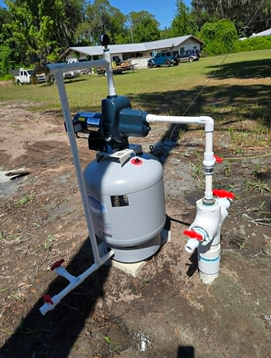
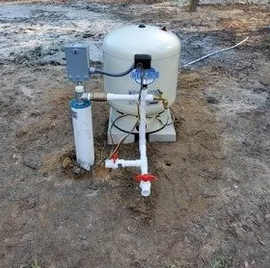
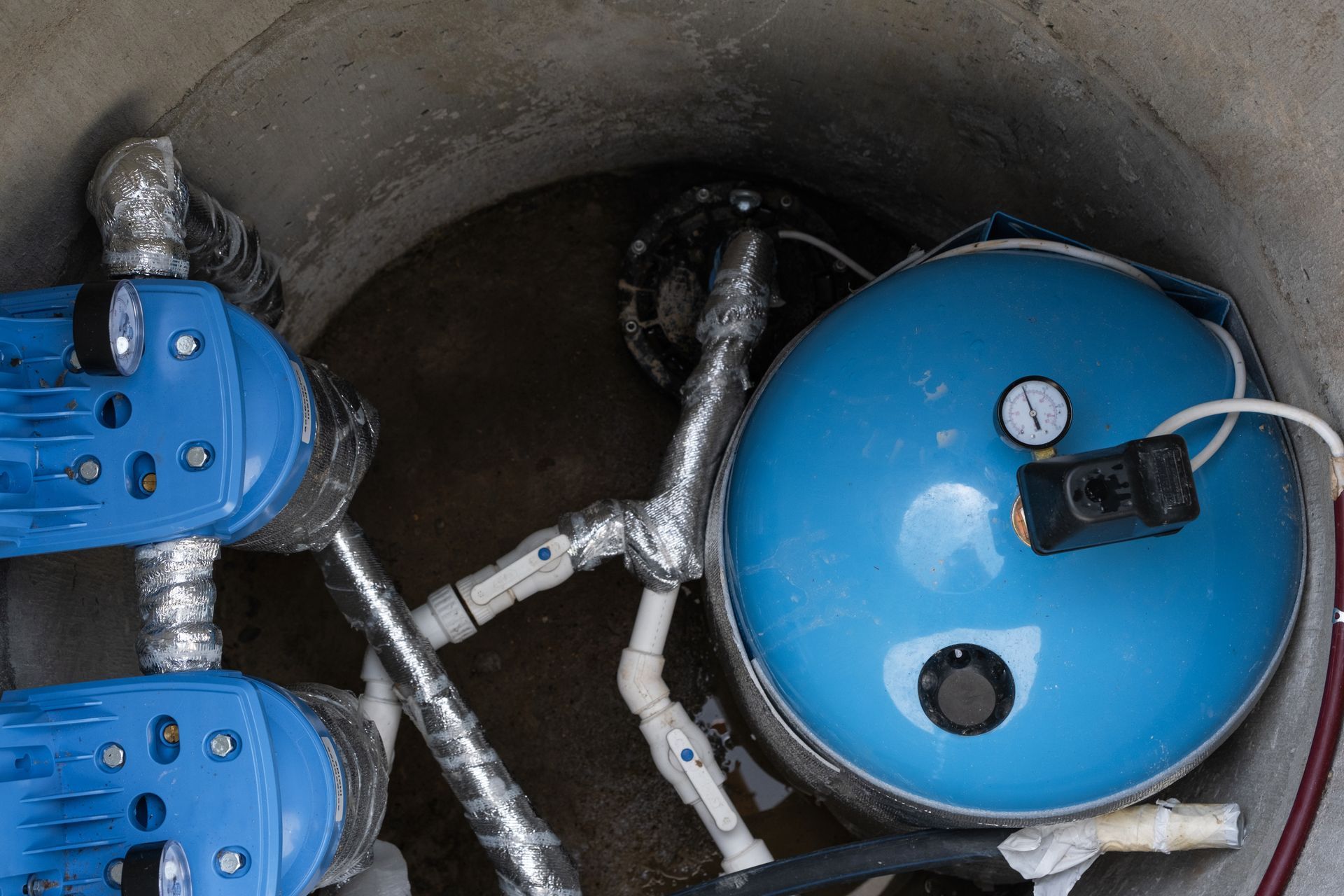
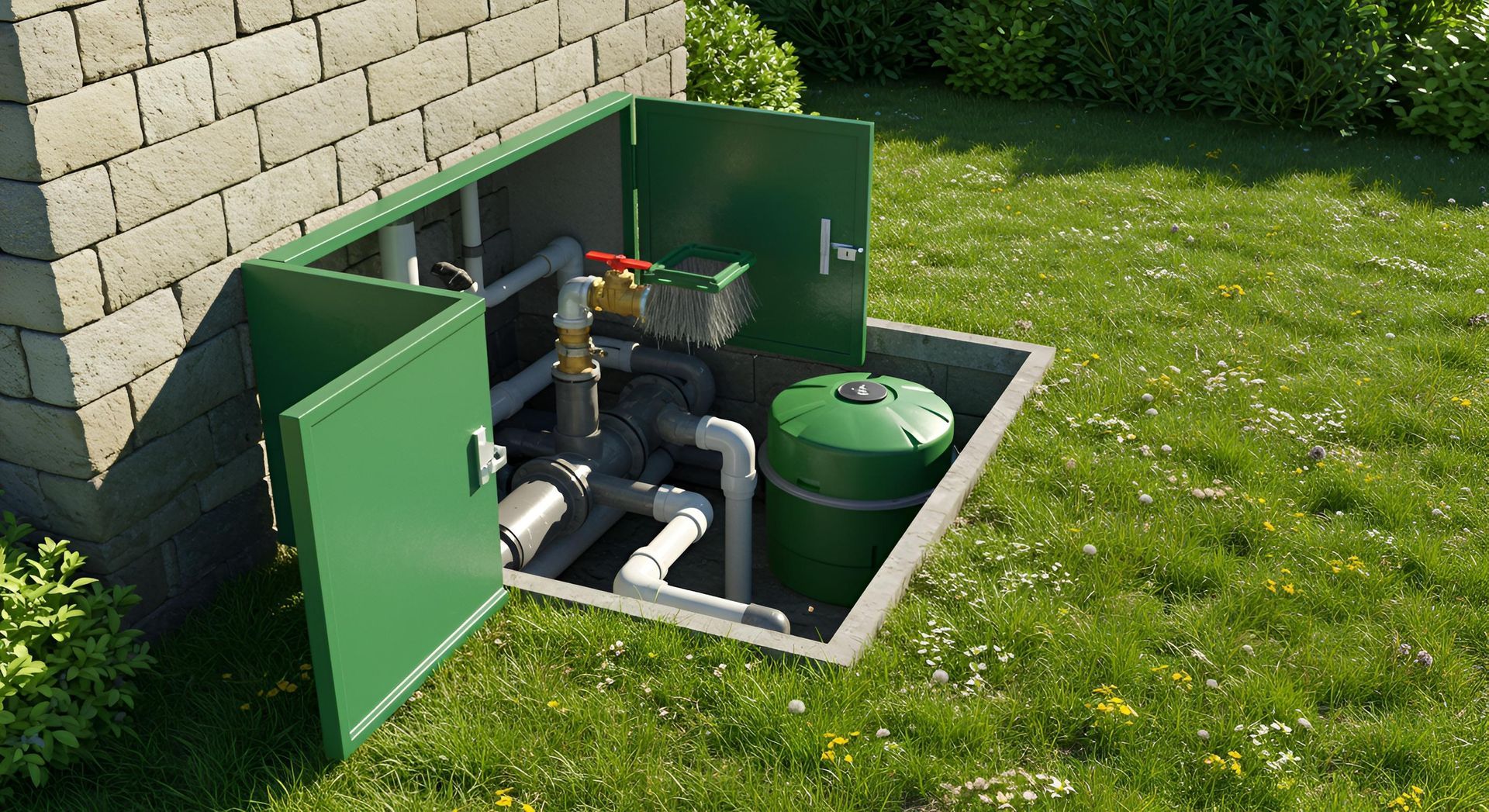
- Go to the pressure switch, typically a small gray box near the pressure tank, and check whether the contacts look burned or corroded.
- Check the pressure gauge on your tank. A reading at or below 20 PSI when no water is flowing may point to a failed pressure tank.
- Confirm there has been no recent lightning storm. Northeast Florida summer storms are frequent in Middleburg, and lightning strikes are a leading cause of sudden pump failure.
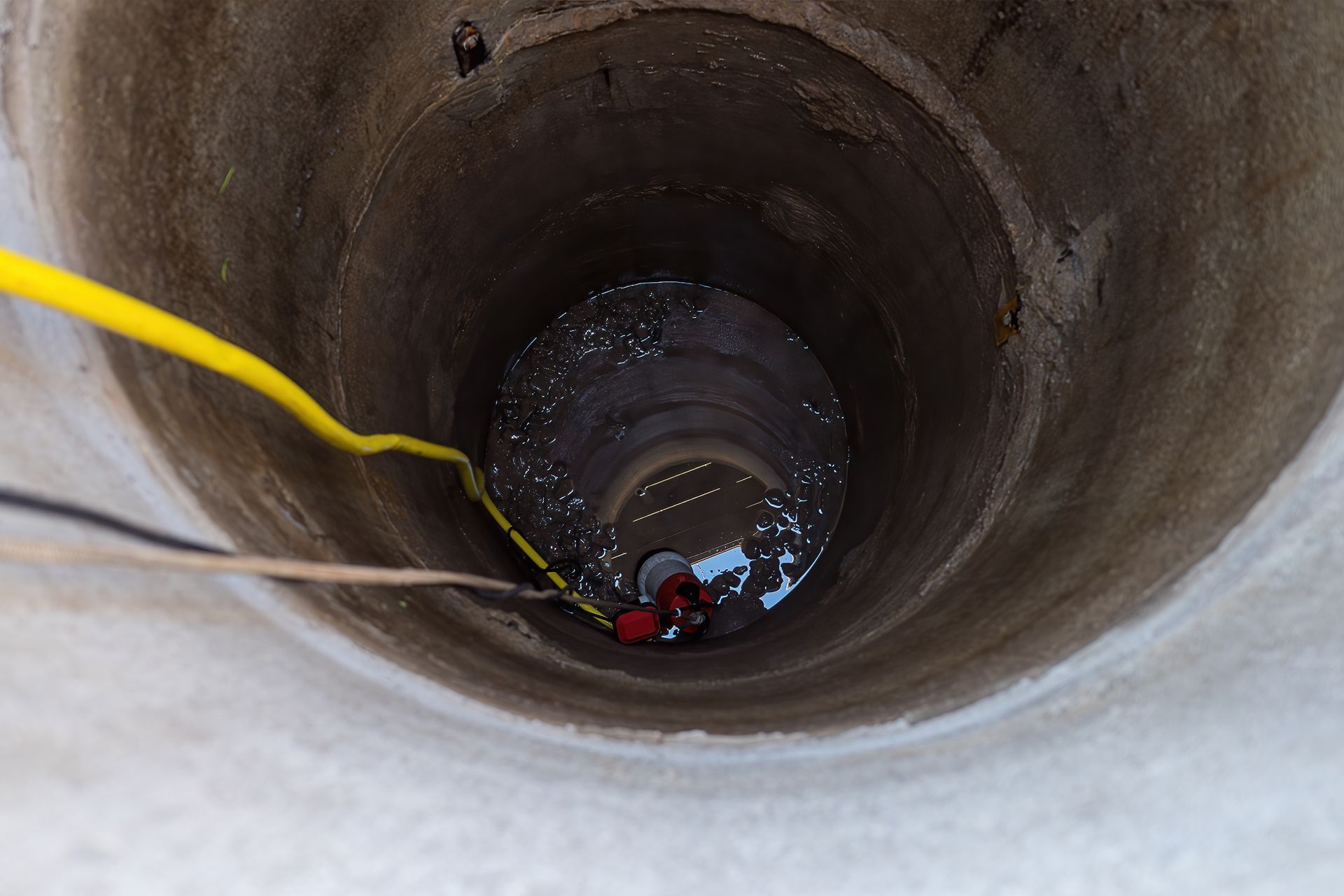
- Listen near the well casing for humming or clicking. A pump that hums but delivers no water may have a stuck motor.
If your breaker holds after a reset and water still does not return, it is time for a deeper look.
Common Causes of Pump Failure
Emergency pump repair often traces back to a handful of well-known culprits. Clay County's groundwater, drawn from the Floridan Aquifer, can carry iron, sulfur, and sediment that wear on pump components over time. Rural properties along Black Creek Road, County Road 218, and the neighborhoods surrounding Jennings State Forest rely entirely on private well systems, so there is no municipal backup when a pump goes down.
Common causes a technician will look for include a worn pump motor from age or mineral buildup, a failed pressure switch, a waterlogged pressure tank with a blown bladder, burned wiring or a damaged capacitor from a lightning strike, and sand or sediment intrusion that jams the impeller.
What to Do While You Wait for a Technician
- Turn off appliances that use water, such as dishwashers and washing machines, to avoid damage from dry cycles.
- Do not attempt to pull or disassemble a submersible pump yourself. It sits hundreds of feet down the well casing, and improper handling can dislodge the drop pipe.
- Note any unusual smells, sounds, or discoloration you observed before the pump stopped. This helps a technician diagnose the problem faster.
- Shut off the main supply line from the pressure tank to protect pipes from air pressure surges when service is restored.
For guidance on your well system, our services page covers the full range of emergency pump repair and installation options available to Clay County homeowners.
When You Should Not Wait to Call a Pro
Call right away when any of the following applies:
- You smell burning near the pressure tank or electrical panel.
- The pump runs continuously without building pressure, a condition that can burn out the motor within hours.
- Water was discolored or carrying sediment before the pump stopped.
- A tripped breaker tripped again immediately after you reset it.
- Any part of your system shows physical damage after a storm.
What Happens During an Emergency Service Call?
A technician will test the electrical supply, measure voltage at the pump wire terminals, check pressure switch settings, inspect the tank bladder, and assess motor condition with a multimeter. For submersible pumps, they may use a pump puller to safely remove the unit for inspection or replacement. The goal of emergency pump repair is to pinpoint the exact failed component so only what is needed gets replaced.
Is It Always the Pump That Fails?
Not always. In many cases the pump itself is fine and the pressure switch, capacitor, or tank bladder is the actual problem. A thorough diagnostic saves homeowners from replacing a working pump unnecessarily.
How Long Do Well Pumps Typically Last?
Most submersible well pumps last between 10 and 15 years with proper maintenance. Pumps exposed to high iron or sediment content, common in Clay County, may see a shorter service life without regular upkeep.
Can I Prevent Future Pump Emergencies?
Annual well system maintenance can catch worn components before they fail. Having your pressure tank, pressure switch, and electrical connections inspected once a year reduces the risk of an unexpected outage. Visit our contact page to schedule a routine inspection before a small issue becomes an emergency pump repair call.
Does Homeowners Insurance Cover Well Pump Failure?
Standard policies often exclude well pump failure unless a covered peril such as lightning is the direct cause. Review your policy and ask your provider about adding equipment breakdown coverage if you rely on a private well.
Get Fast Help from a Trusted Local Team
When your water stops and you need reliable emergency pump repair, Moore's Well Drilling, Inc. is here to help homeowners throughout Middleburg, FL, and Clay County. With over 60 years serving this region, we understand local groundwater systems and rural properties. Our team can diagnose pump failures, replace pressure tanks, repair electrical components, and restore your water supply efficiently. Call us at (386) 328-1448 to request service. Read reviews from your neighbors on our Google profile, Moore's Well Drilling, Inc.